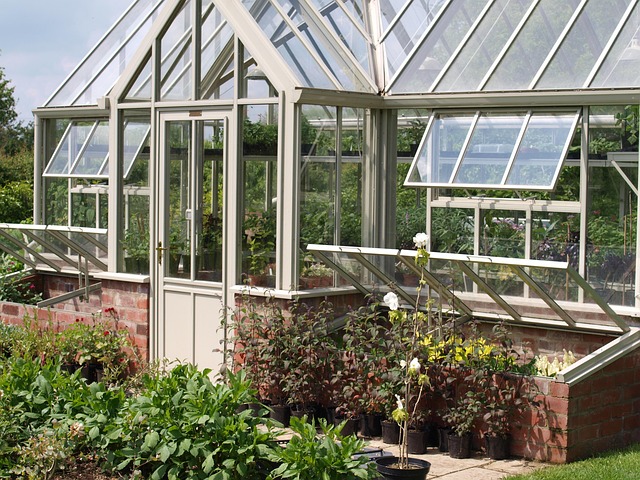
In an era of escalating climate change and resource scarcity, greenhouses are emerging as vital tools for sustainable living, offering innovative solutions to feed communities, educate future generations, and inspire environmental stewardship. These controlled environments extend growing seasons, conserve resources, and reduce the carbon footprint of food production, aligning with the urgent need to combat global warming. By fostering local resilience and promoting green lifestyles, greenhouses are redefining how communities engage with their food systems and the planet. Here’s how they contribute to a more sustainable world.
Feeding Communities with Eco-Friendly Agriculture
Greenhouses enable year-round food production, a critical asset in addressing food security amid unpredictable climate patterns. By controlling temperature, humidity, and light, they allow cultivation of diverse crops— from leafy greens to tomatoes— regardless of external weather conditions. This reduces reliance on industrial agriculture, which contributes roughly 30 percent of global greenhouse gas emissions, according to the Intergovernmental Panel on Climate Change. Locally grown produce cuts transportation emissions, with studies showing that food shipped cross-country can generate up to 10 times the carbon footprint of local harvests.
Techniques like hydroponics and aquaponics, common in modern greenhouses, further enhance sustainability. Hydroponics uses up to 90 percent less water than traditional farming by recycling nutrient-rich solutions, while aquaponics integrates fish farming to create a closed-loop system that minimizes waste. These methods produce higher yields in smaller spaces, making greenhouses ideal for urban areas where land is scarce. Community-supported agriculture programs often rely on greenhouses to supply fresh, organic produce, strengthening local economies and reducing dependence on fossil fuel-intensive supply chains.
Educating for a Greener Future
Greenhouses serve as living classrooms, teaching sustainable practices to people of all ages. Schools and universities use them to demonstrate ecological principles, from soil health to water conservation, fostering environmental literacy. A 2025 report from the National Science Foundation highlights that hands-on learning in greenhouses increases students’ understanding of climate change impacts by 40 percent. Community gardens with greenhouse facilities host workshops on composting, seed saving, and permaculture, empowering individuals to adopt green lifestyles.
These spaces also bridge generational gaps. Programs pairing youth with elderly gardeners preserve traditional knowledge while introducing modern sustainable techniques. Urban greenhouses, such as those in Detroit or Brooklyn, engage underserved communities, teaching skills that promote self-sufficiency and environmental justice. By connecting people to the source of their food, greenhouses cultivate a deeper appreciation for resource conservation and the fight against global warming.
Inspiring Environmental Stewardship
Beyond their practical benefits, greenhouses inspire a cultural shift toward sustainability. Community greenhouse projects, like those supported by nonprofits such as Growing Power, create spaces where people gather to grow food, share knowledge, and build resilience against climate challenges. These hubs foster a sense of collective responsibility, encouraging participants to reduce waste, conserve energy, and advocate for policies that prioritize the environment.
Greenhouses also showcase innovative technologies that align with green living. Solar-powered systems, rainwater harvesting, and energy-efficient insulation demonstrate how renewable energy and resource conservation can be integrated into daily life. For example, a greenhouse equipped with photovoltaic panels can offset its energy use, achieving net-zero emissions. Such models inspire homeowners to adopt similar practices, from installing rain barrels to choosing energy-efficient appliances, amplifying the impact on global warming mitigation.
Addressing Challenges for Broader Impact
While greenhouses offer significant environmental benefits, scaling their impact requires addressing barriers. Initial setup costs for advanced systems like hydroponics can be high, though grants and community crowdfunding are making them more accessible. Training programs are essential to equip communities with the skills to maintain these systems. Policymakers can support this by offering incentives, such as tax credits for sustainable agriculture projects, mirroring the U.S. Investment Tax Credit for solar energy.
Maintenance is another consideration. Greenhouses must be designed with durable, eco-friendly materials to minimize environmental impact over time. Regular monitoring of energy and water use ensures they remain efficient. Collaborations between local governments, universities, and nonprofits can provide the resources and expertise needed to overcome these hurdles, ensuring greenhouses remain viable tools for sustainability.
A Blueprint for a Sustainable Tomorrow
Greenhouses are more than agricultural tools; they are catalysts for a greener, more resilient world. By producing food with minimal environmental impact, educating communities about sustainable practices, and inspiring collective action, they address critical challenges posed by global warming. For individuals committed to a green lifestyle, supporting or participating in greenhouse initiatives—whether through community gardens or backyard setups—offers a tangible way to contribute. As we face a warming planet, greenhouses stand as beacons of hope, proving that sustainable innovation can nourish both people and the Earth.
